zlaoren
The following are the key points of the systematic repair process and technology:
1. Injury assessment and classification
Surface scratches and abrasions
Minor scratches: sandpaper grinding (240 mesh → 600 mesh), wood wax oil filling repair .
Heavy abrasion: remove the decay layer, use the same kind of wood to make up the walnut (such as walnut to make walnut), and reshape the surface after epoxy resin bonding.
Cracking and breaking
Longitudinal cracks: inject low-viscosity epoxy resin, clamp pressure curing, and internal reinforcement with bamboo pins.
Transverse fracture: mitered mortise and tenon wrapped in carbon fiber cloth to improve bending strength .
Deformation and decay
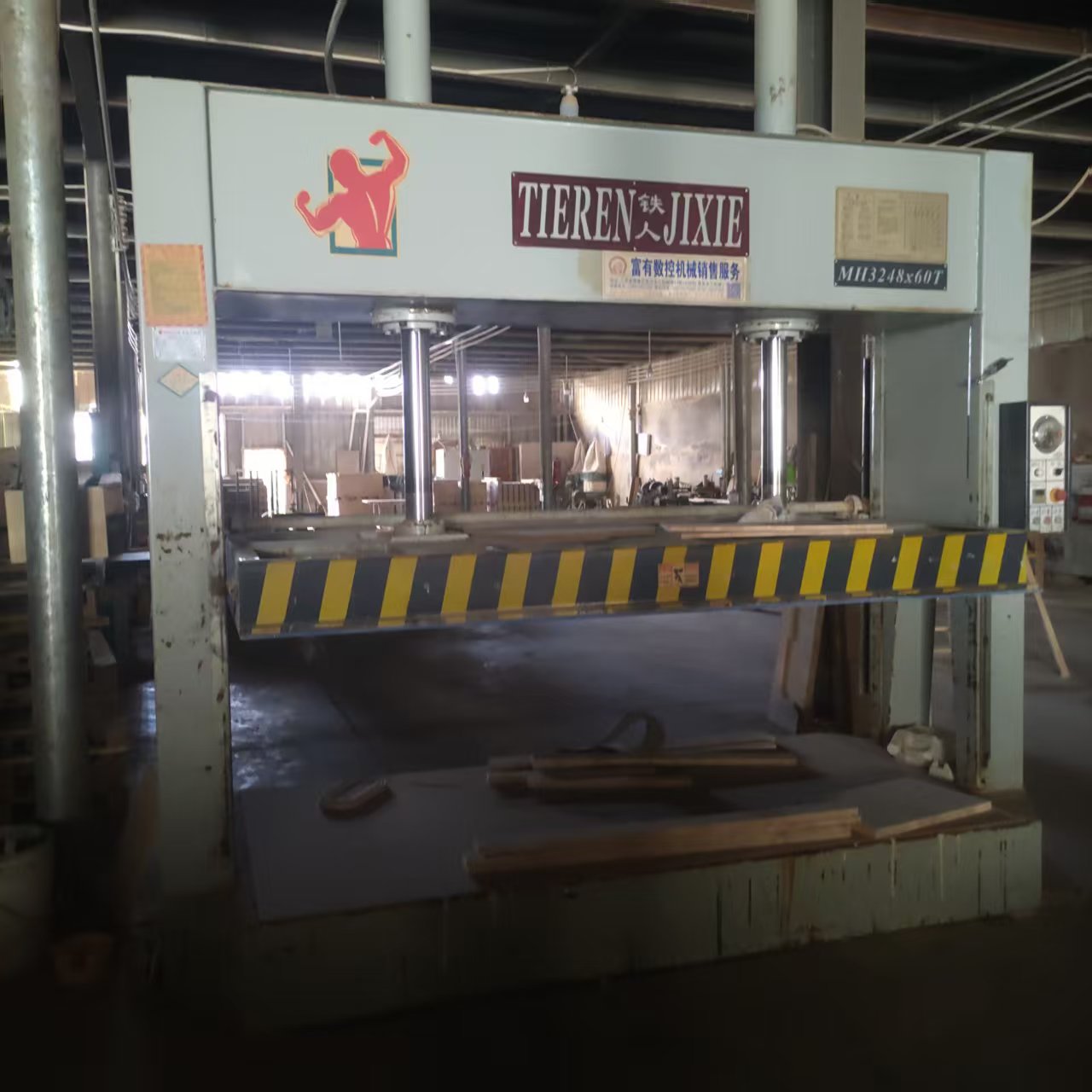
Bending correction: steam softening (100 °C± 10 °C), hydraulic press setting for 72 hours, moisture content to 12±28.
Partial decay: digging out the decaying wood, filling it with tung oil, lime and hemp silk mixture (traditional twisting process) or epoxy wood powder composite .
Second, the core restoration process
Traditional techniques (for ancient paddles)
Twist seam plugging
Materials: tung oil, hydrated lime, hammered hemp silk (ratio 3:5:2) .
Operation: Press the mixture into the gap with a batch knife, hammer it repeatedly until the surface is smooth, and then grind it after curing.
Mortise and tenon repair
The thickness of the tenon head should be less than 0.1~0.2mm of the hole, and the fish bladder glue should be wedged in to prevent colloidal overflow.
Modern technology (for high-performance oars)
Lamination reinforcement
A V-shaped groove was opened at the cracked place, a glass fiber cloth was laid, polyurethane resin was poured and UV cured .
Structural reinforcement
A carbon fiber rod is embedded on the inside and covered with maple flakes on the outside to maintain the original weight distribution.
⚗️ 3. Surface treatment and protection
Dehydration and shaping
Impregnation of >18% water content is impregnated with polyethylene glycol (PEG4000) and the concentration is gradually increased from 10% to 60% to prevent drying and cracking.
Coating protection
Traditional paddle: 3 layers of tung oil primer and 2 layers of water-based polyurethane varnish for 50% more water resistance8.
Racing paddle: UV-curable gelcoat coat, thickness 0.3mm, UV aging resistance .
📋 Fourth, maintenance specifications after repair
Project Operating Standards Period
Daily cleaning, rinsing with fresh water, wiping dry with a soft cloth, and disabling chemical solvents after each use
Wood care: Hardwood (maple/walnut) coated with wood wax oil; Cork (pine) soaked in tung oil every 3 months
Structural checks: percussion (air sound indicates internal degumming), test tenon and tenon looseness every 6 months
Storage requirements Hanging upside down, humidity 40~60%, away from heat source When out of use for a long time
5. List of tools and materials
Must-have tools:
Woodworking chisel, batch knife (wide/medium/narrow), fixture, infrared moisture meter, vacuum glue injection machine .
Key Materials:
Epoxy resin (West System 105), food-grade wood wax oil (Osmo), polyethylene glycol (PEG4000) 45.
6. Repair taboos and risk control
Principles of wood substitution:
It must be repaired with the same tree species (e.g., pine paddles are forbidden to hardwood patches) to prevent uneven stress breakage.
Environmental Adaptation Restoration:
The anti-corrosion level of seawater paddles should be increased (copper-plated nails should be replaced by iron nails), and freshwater paddles should focus on mildew prevention .
Safety Red Line:
Open flames are prohibited when carbon fiber reinforcement is used, and the epoxy resin mixing error needs to be <5%.
Summary: Comparison table of damage types and repair options
Damage Type, Repair Scheme, Applicable Process
Shallow scratches on the surface Sanded wood wax oil DIY grade
Deep cracks, epoxy infusion, bamboo pin reinforcement, professional studi
The mortise and tenon joint is loose, the fish maw glue is heavy, and the maple wedge is reinforced, and the traditional craftsman is reinforced
Local decay, digging and repairing, tung oil hemp silk filling, intangible cultural heritage twisting technology 9
Overall deformation, steam orthopedics, moisture content control, industrial equipment repair